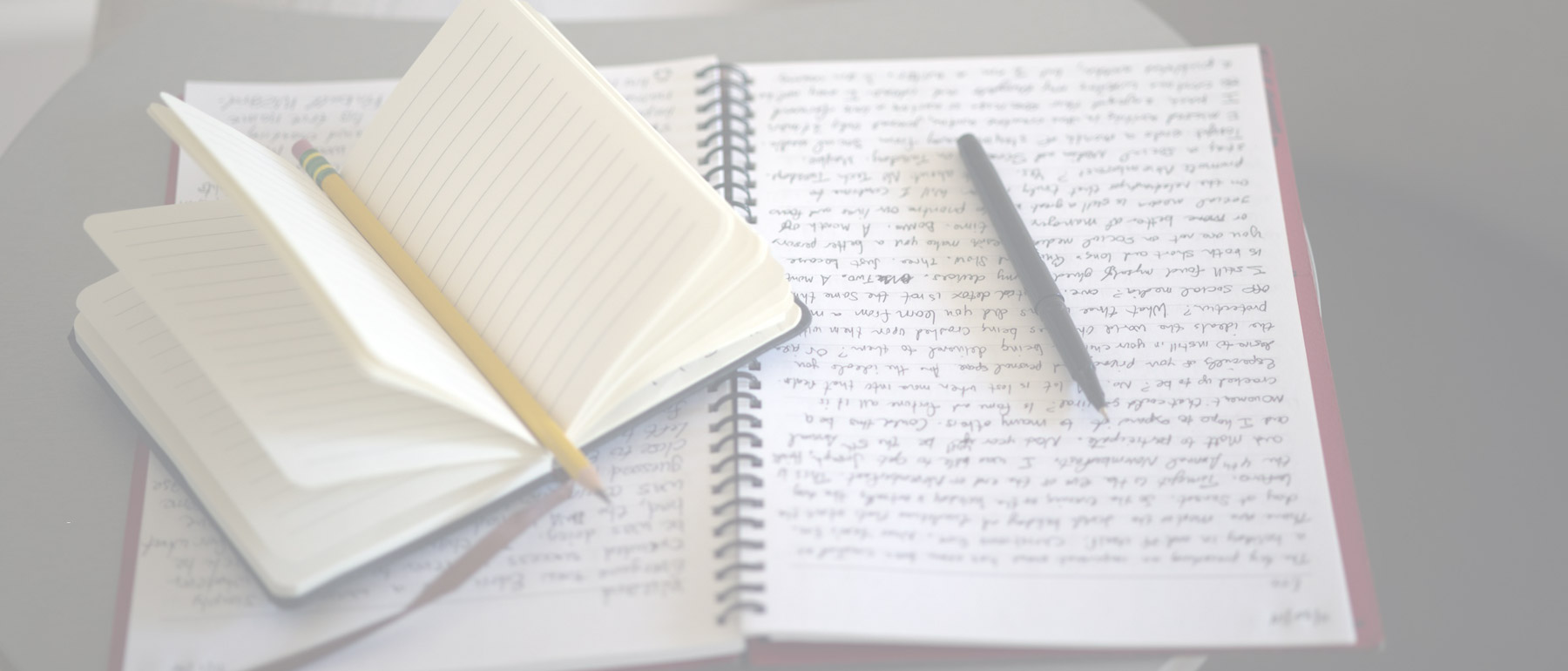
When participants in our December Gratitude Challenge committed to writing down three things they were grateful for each day, they discovered something remarkable.

97% of people have a morning routine— but is yours the right one? At TheChallenge.Org, we’re on a mission to find out. We dive into popular habits and routines, testing their real effects on your physical and mental health with free monthly challenges. At the moment new Challenges are put on pause as TheChallenge.Org transitions into a non-profit organisation focused on sharing the scientific results learned from the 12 Challenges of 2025. You are however free to browse the previous Challenges in the Challenges tab in the menu and try them at any point and according to your liking.

Ready to step out of your comfort zone for a month? Jump into the any of the previous Challenges that we run one—we’re excited to have you!

Discover how a month-long challenge boosts your body and mind. Track and share your journey daily.

Wrap up by answering a few questions to uncover the best habits for our physical & mental well-being. You can see insights from previous Challenges current here
We explore the effects of popular habits and routines on physical and mental health. Through monthly challenges, we gather concrete data and share valuable knowledge with our community & and the world.
Every day, an avalanche of advice from health and fitness mavens floods our lives, each touting routines guaranteed to revolutionize our wellbeing. Amid this barrage of "next big things," the question arises:

With our time being a finite resource, it's crucial to prioritize habits that offer the most significant benefits.
Thus, The Challenge was born - a unique platform designed to methodically test these routines within a consistent
timeframe, allowing us to gauge and compare their real impact.
When participants in our December Gratitude Challenge committed to writing down three things they were grateful for each day, they discovered something remarkable.

We are grateful for each and every one of you who took on at least 1 Challenge this year. With 12 Challenges done in 2025 we are ready to wrap up the year and announce what is next for TheChallenge.Org

If we could prescribe a single behavioral change to counteract the mental health crisis created by smartphone addiction, this would be it.
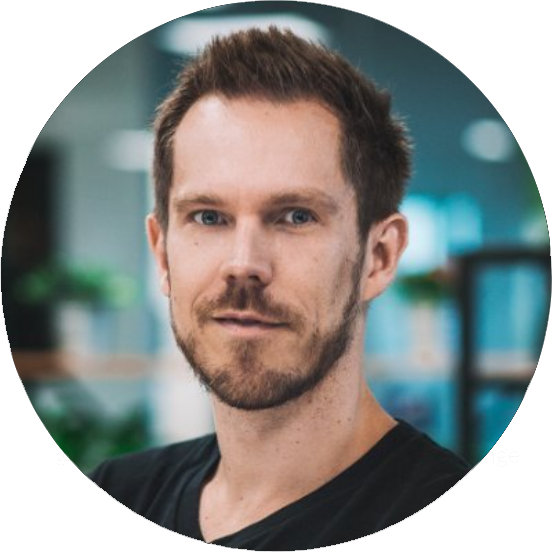 Karol Banaszkiewicz, our founder, is a seasoned technologist and lifelong health-hacker who noticed a glaring gap in how we track the real effects of daily routines. Driven by a passion for data-backed self-improvement, he committed his own time and resources to launching TheChallenge.Org—to rigorously measure how habits shape our physical and mental well-being.